


Summary
-
Godzilla
is an iconic character that has appeared in movies, games and television. - While the movies are the most beloved, the continuation of the divisive 1998 movie remains a standout.
-
Godzilla: The Series
was a unique story that predated the MonsterVerse and has continued to stand the test of time.
Godzilla remains, to this day, one of the most beloved, long-running, and versatile cinematic franchises. Everyone has their favorite interpretation of this iconic character, and whether he’s the hero, villain, or something in-between, Godzilla is still a highly entertaining monster that leaves blockbuster-level destruction wherever he goes. There haven’t been too many attempts to bring the Kaiju to the small screen, largely due to budgetary issues. While the MonsterVerse recently embarked on a show of its own, there’s a much older series that is worth highlighting that has actually been dormant for quite some time.
Godzilla fans are often pretty aware of all the different variations in the archives and tap into some of those older monster movies when looking for an alternative to the MonsterVerse. But there is a generation who will fondly remember tuning into Saturday morning cartoons and finding a surprising show inspired by a controversial movie. Godzilla lived on in an animated world back in the late ’90s and fans of the current MonsterVerse might just find that this underrated and overlooked series has a few elements that will appeal to them. Least of all, the portrayal of a Godzilla that is not limited by budget, visual effects, or the run-time of a movie.
Godzilla: The Series Brought the Franchise to a Different Format Worldwide
The American-Japanese Animated Show Was a Small-Scale Hit
- The show originally aired on Fox Kids in the US.
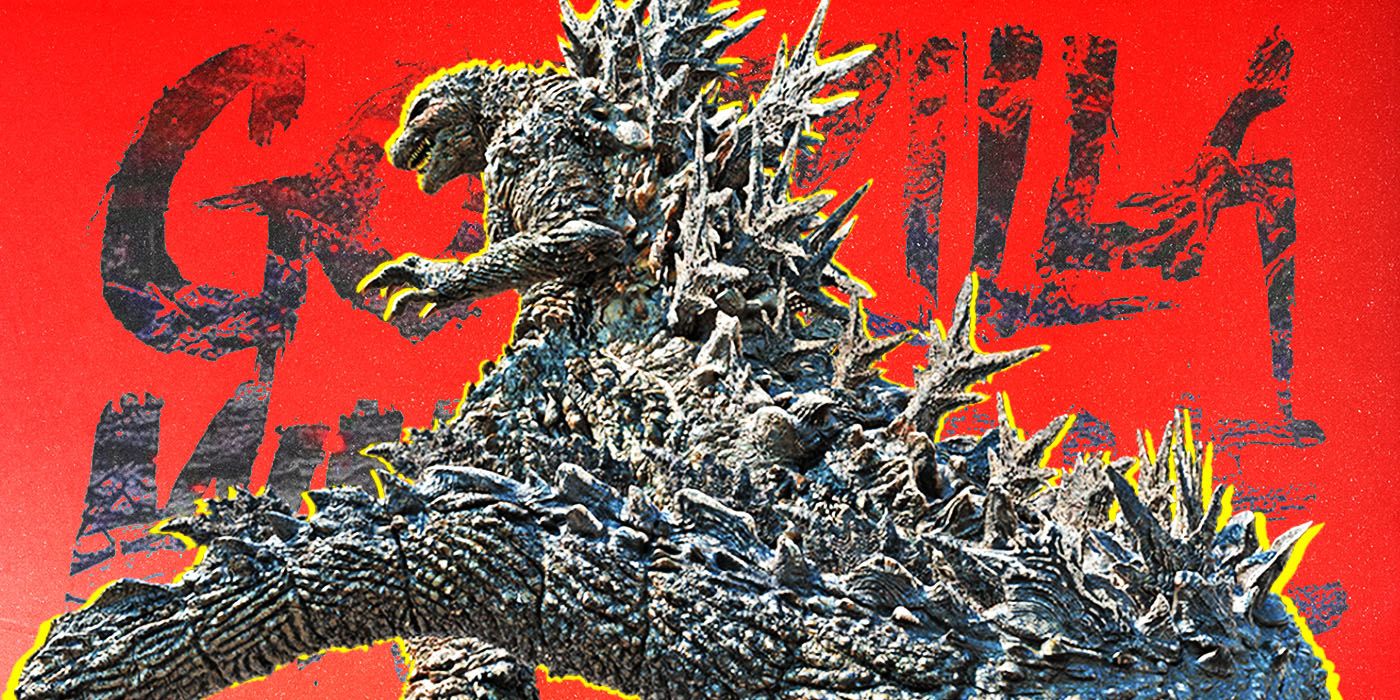

Toho Company reveals the new rules it has set in place for Godzilla movies going forward, and they include some truly questionable directives.
The very first Godzilla TV show was Godzilla Power Hour in 1978. While it was far from the glossy portrayal that audiences are used to today, this fun show gave an insight into the mindset of the fictional monster, making the beast accessible to younger audiences worldwide. However, there have been plenty of animated shows that have followed on since those early days, including Godzilla: The Series, which started in 1998 and ran until 2000. Developed by Adelaide Productions, Centropolis Television, Toho Co., Ltd., and Columbia TriStar Television, the series wasn’t an immediate smash hit but did build up quite a following. Critics praised this short-lived animated run for how faithfully it paid homage to the original Godzilla productions. However, after just two seasons, the show was canceled, with animated serials like Pokémon simply outshining the Kaiju affair. It’s unfortunate, as the show was a true celebration of what audiences had loved about the character for decades, albeit catering to a younger audience. Running the gambit of Godzilla villains and continuously treating Godzilla itself with great care as an unpredictable entity, the show really helped to build the lore of the franchise.
Indeed, King Cobra, Ice Borers, the Loch Ness Monster, and Medusa were just a couple of the standout mutants that Godzilla came face-to-face with. The animation style was certainly of its era, with a modern edge that played to the polished visuals of the late ’90s cartoon renaissance era. Although looking back, those visuals now feel dated; they boasted surprising nuance and detail nonetheless. All in, Godzilla: The Series ran for 40 episodes and focused on following the organization known as H.E.A.T., which was set up to fight, study, and occasionally protect the mutations that turn up across the planet. Featuring figures like Dr. Niko Tatopoulos, Dr. Elsie Chapman, and Randy Hernandez, the well-balanced ensemble was as engaging as they were competent. This version of Godzilla wasn’t immune to the political and military interests that plagued the franchise in the past, and there are some very human antagonists showcased, which demonstrate the complexity of the themes that Godzilla: The Series was prepared to portray.
The Show Continued the Legacy of a Prior Godzilla Portrayal
The Series Looked to a Recent Movie For Inspiration
- The 1998 Godzilla film was directed by Roland Emmerich, the master of disaster movies.
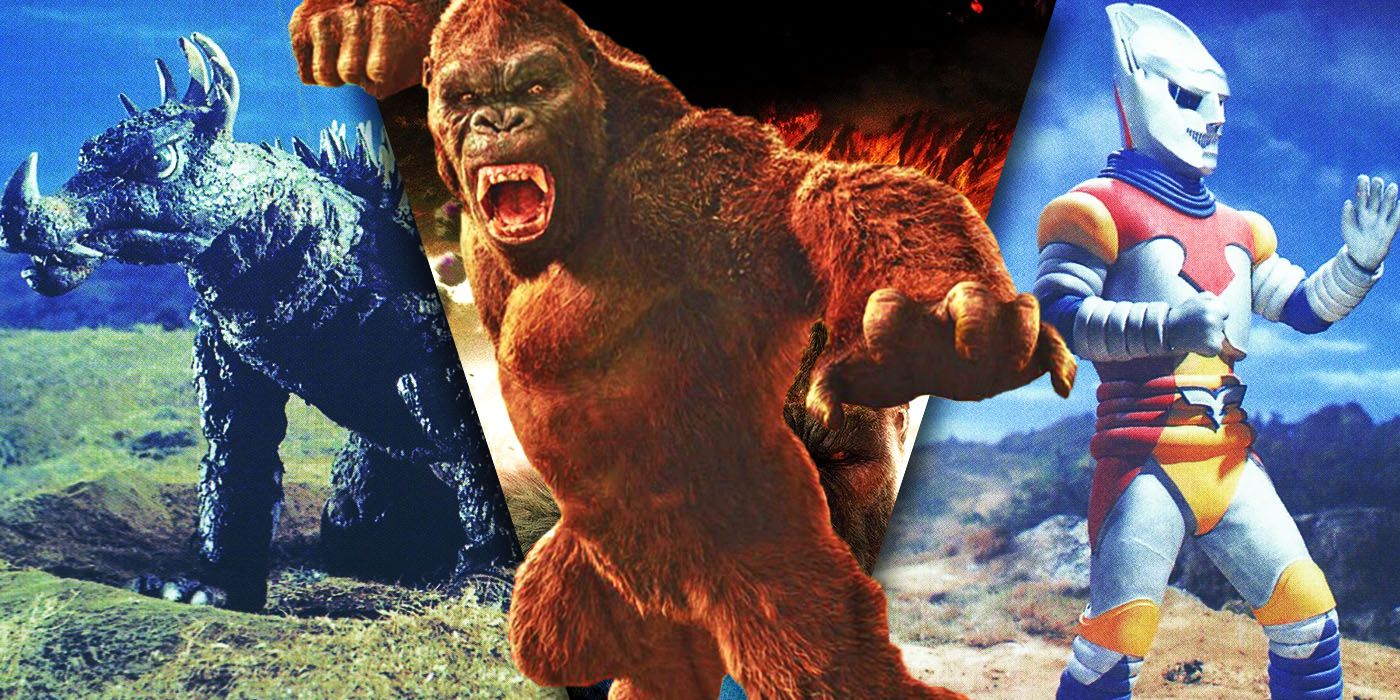
When Godzilla is not the villain destroying cities, he fights against other kaiju. But allies like Mothra and King Kong help greatly.
Interestingly, Godzilla: The Series, despite exploring some original characters and portraying universally seen themes from throughout the Godzilla franchise, is actually based on a very specific installment in the saga. More specifically, Godzilla: The Series is a direct follow-up to the 1998 Godzilla movie, which the studio thought would be a major hit at the time of its release. In truth, the movie did not impress at the box office, nor did it come out well from the critical consensus. Indeed, for all intents and purposes, Godzilla was a flop, and yet the TV show had been commissioned regardless. The series was thus really up against it, with all the odds staked high. Yet, it performed remarkably well, ironing out some of the flaws of the movie and ultimately moving in a completely different direction. What’s fascinating is that, in many ways, the show was the best thing to come of the film. It even spawned multiple video game spinoffs like the 2000s’ Godzilla: The Series – Monster Wars on the Game Boy Color. This wasn’t an origin story and didn’t require for the franchise to start from scratch once more. Instead, the show could take the framework already set up from the film and run with it.
It’s worth highlighting that the episodic format was a real strength of the series, with a wide range of unexpected narratives taking shape. A great deal of work is done around Godzilla’s eggs hatching, with a new Godzilla wreaking havoc. Nanotechnology and the risks of this new development are explored in detail, with a biological attack threatening humanity. Godzilla even gets to battle robots, a mainstay trope of the saga. Despite the target audience, there was a genuine grit and gravity to many of these arcs, with the show looking at the large-scale conflicts that would really threaten the titular beast and the human characters that follow it. Perhaps that’s why it deserves to garner so much attention years on, because of its willingness to take risks and tackle larger plot points that other animated series might have shied away from. In pushing past the Kaiju elements into more sci-fi-based material, the show demonstrated that it really understood Godzilla. Tapping into the horror elements that author Stephen King loves so much about the saga, Godzilla: The Series managed to find a way to be all things to all fans.
MonsterVerse Fans Will Find a Lot to Love In This Adaptation
Godzilla Minus One Isn’t the Only Interpretation That Offers an Alternative
- Monarch: Legacy of Monsters will receive a second season while filmmakers work on a sequel to Godzilla x Kong: The New Empire.
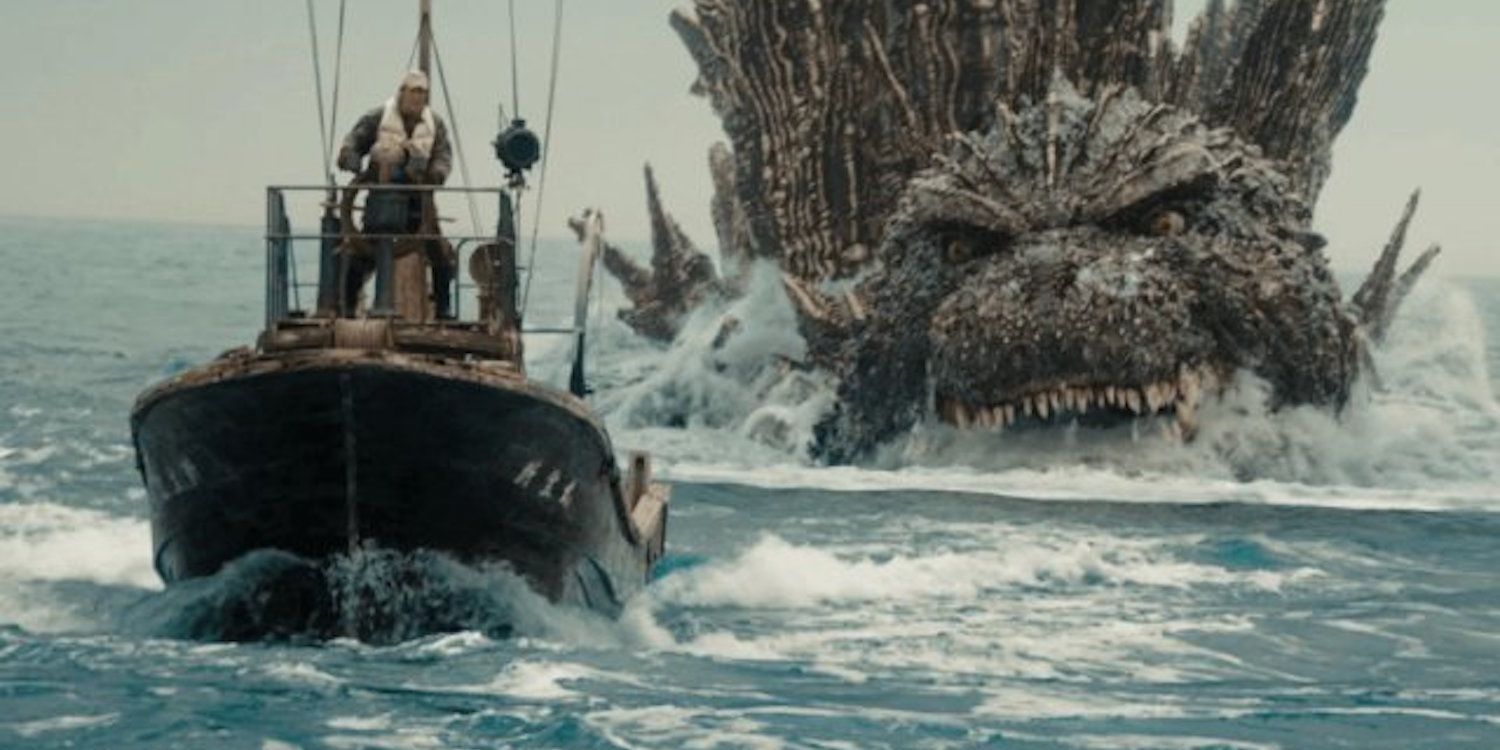

What makes Godzilla Minus One an all-time best Godzilla films isn’t the awesome kaiju action (although there’s plenty of that) – it’s the human story. With fully developed characters that carry heavy emotional stakes, Godzilla Minus One elevates itself above typical monster movies/creature features. What’s your favorite Godzilla movie (& why)?
The great appeal of the MonsterVerse thus far has been about the scale of the crossover and the ambition of the franchise. The blockbuster series hasn’t shied away from the ridiculous past of the series and fully embraces classic sci-fi elements and Godzilla tropes. In many ways, plenty of parallels can be drawn between the Godzilla of the big screen today and the narratives portrayed in Godzilla: The Series. In some instances, there is more room to tell similar stories on the small screen, so while the cinematic equivalents might seem grander, there’s sometimes more nuance among the televised versions. For some, the true destructive power of the Godzilla seen in Godzilla Minus One might be the ultimate portrayal of the character and the MonsterVerse version just doesn’t stack up. If that’s the case, the Godzilla Minus One fans might not find quite as much to like about the TV series. But for those MonsterVerse loyalists, there’s definitely a tonal connection between the blockbusters and Godzilla: The Series.
The future of the MonsterVerse is incredibly bright, with a new sequel on the horizon and plenty of room for further spinoffs. It’s only a matter of time before an animated show enters the mix, and with the likes of X-Men ’97 demonstrating the audience’s appreciation for these throwback cartoons, there’s every chance that Godzilla: The Series could inspire a modernized remake. Of course, the legacy of the Godzilla movie from the late ’90s will still be forgotten, but fans of the current franchise will find a lot to love about what it inspired. Godzilla: The Series isn’t perfect and didn’t always hit the mark. But its dedication to exploring more complex arcs, love for depicting obscure monsters, and excitement for portraying classic Godzilla sci-fi tropes meant that it has left a legacy of its own.
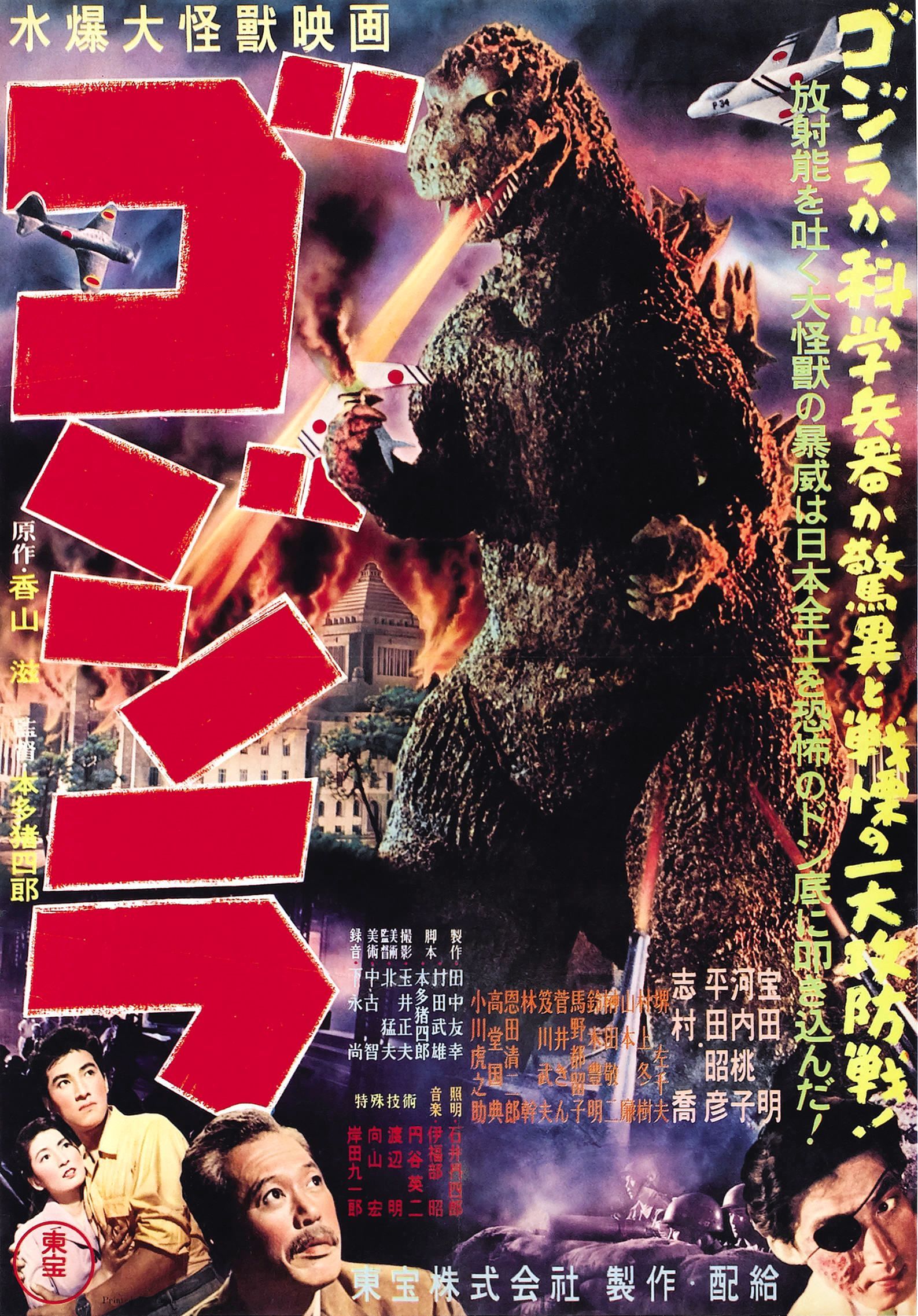

The Godzilla franchise follows Japan’s Godzilla, a monster that is both enemy and friend depending upon the work he appears in.
Created by Tomoyuki Tanaka
First Film Godzilla (1954)